

Why Men Say “I’m Fine” When They’re Falling Apart
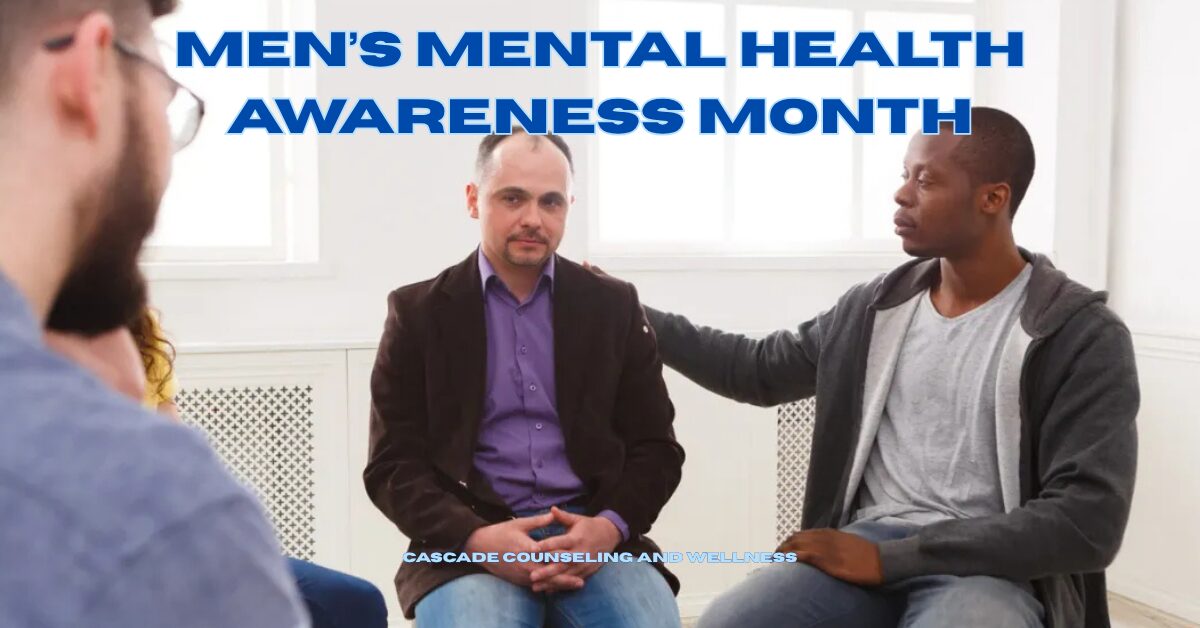
By: Tyson Allred
“How are you doing?”
“I’m fine.”
For many men, those words are not an honest answer. They are a survival strategy.
The truth is that many men are carrying far more than the people around them realize. They are carrying the pressure of providing for their families, the responsibility of protecting the people they love, the stress of work, financial concerns, relationship challenges, disappointments they never talk about, and expectations they feel they can never quite live up to. Yet despite carrying all of that weight, many men continue to smile, continue to show up, and continue to tell everyone they are fine.
The question is not whether men struggle. The question is why so many struggle in silence.
One reason is that many men have been conditioned to believe that their value comes from what they can do for others rather than who they are as people. From a young age, many boys receive the message that strength means handling problems alone. They learn to be tough, to push through discomfort, and to keep moving no matter what they are feeling. While resilience is an incredible quality, it can become dangerous when a man starts believing that asking for help is weakness.
What many people fail to realize is that emotional suppression is not emotional strength. Strength is not pretending pain does not exist. Strength is having the courage to face it honestly. A man who can acknowledge his fears, his struggles, and his emotions is not weak. He is doing something that requires far more courage than pretending everything is okay.
Another reason men often stay silent is because they do not want to become a burden. Many men genuinely believe they are protecting the people they love by keeping their struggles to themselves. They tell themselves that their spouse already has enough to worry about. They convince themselves that their children need them to be strong. They assume their friends have their own problems and do not need another one added to the pile. What begins as an attempt to protect others often turns into isolation.
The problem is that human beings were never designed to carry life’s burdens alone. Research consistently shows that connection is one of the most powerful protective factors against depression, anxiety, and suicide. The very thing many men avoid because they do not want to burden others is often the thing that could help them heal. The weight that feels unbearable in isolation often becomes manageable when it is shared with someone who genuinely cares.
Another challenge many men face is that they were never taught how to talk about emotions in the first place. Ask many men how they are feeling, and the answers are often limited to stressed, tired, angry, frustrated, or fine. The issue is not that men do not have emotions. The issue is that many were never given the language to describe them.
Underneath stress there may be fear. Underneath anger there may be hurt. Underneath frustration there may be disappointment. Underneath “fine” there may be loneliness.
Emotional awareness is not something people are born with. It is a skill that must be developed. Just as we teach children how to read, write, drive, and solve problems, we should also be teaching them how to identify and communicate what is happening inside of them. A man who can understand his emotions is not becoming more emotional. He is becoming more self-aware. That awareness allows him to process challenges in healthy ways rather than allowing them to build until they eventually explode.
Past experiences also play a significant role. Many men have opened up before and regretted it. Perhaps they were laughed at. Maybe they were told to toughen up. Maybe someone minimized their pain or quickly changed the subject. The human brain is constantly learning. When vulnerability is met with criticism, rejection, or dismissal, the brain begins to associate honesty with danger.
Over time, silence feels safer.
What many people do not understand is that every time someone dismisses a man’s pain, they reinforce the belief that his struggles do not matter. Eventually, some men stop sharing altogether. They continue showing up physically while disappearing emotionally.
This is why creating safe conversations matters so much.
If someone you care about is struggling, your job is not to fix them. It is not to have all the answers. It is not to immediately solve the problem. Your job is to create enough safety that they feel comfortable telling the truth.
One of the most powerful phrases you can say is simply, “Tell me more.”
Not every conversation needs advice. Sometimes people need understanding before they need solutions. When someone feels heard, something remarkable happens. Their nervous system begins to settle. The burden becomes lighter. The isolation begins to fade. Healing often starts long before a solution is found. It starts the moment someone realizes they are no longer carrying the weight alone.
For spouses, this is especially important. Emotional safety is built when honesty is met with understanding instead of judgment. When a man shares something difficult, the goal is not to determine whether his feelings are right or wrong. The goal is to understand his experience. Validation does not mean agreement. It simply means acknowledging that what someone is feeling is real to them.
The safer a man feels, the more likely he is to continue opening up. The more he opens up, the less likely he is to suffer alone.
If you are the man reading this, I want you to understand something important.
You do not have to earn the right to ask for help.
You do not have to wait until you are completely overwhelmed.
You do not have to reach a breaking point before speaking up.
You are allowed to struggle.
You are allowed to be human.
You are allowed to have days when you are not okay.
The strongest men are not the ones who never feel pain. They are the ones who have the courage to acknowledge it, face it, and allow others to walk beside them through it.
The world does not need more men pretending they are invincible. It needs more men willing to be authentic. It needs more men willing to tell the truth. It needs more men willing to show future generations that strength and vulnerability can exist together.
The next time someone asks how you are doing, consider giving them the real answer.
It might feel uncomfortable.
It might feel vulnerable.
It might even feel scary.
But healing rarely begins with “I’m fine.”
Healing begins with honesty.
And sometimes the most courageous words a man can say are, “I’m struggling right now, and I could use some support.”
Because no one was ever meant to carry the weight of life alone.
Sources and Further Reading
- American Psychological Association. Research on men’s mental health, emotional suppression, and help seeking behaviors.
- National Institute of Mental Health. Information on depression, anxiety, and mental health treatment.
- Centers for Disease Control and Prevention. Research on mental health, social connection, and suicide prevention.
- American Foundation for Suicide Prevention. Information on risk factors, protective factors, and support resources.
- Movember Foundation. Research and education focused specifically on men’s mental health.
About the Author
Tyson Allred is the founder and CEO of Copper Johns, co-host of the Dad Bods and Beards Podcast, husband to Candice, and father of six amazing kids. While he loves building businesses and creating products, his greatest passion is helping people realize they are not alone.
After years of navigating anxiety, depression, self-doubt, and the everyday challenges of life, Tyson has learned that strength is not about pretending everything is okay. It is about having the courage to keep showing up, even on the hard days. Through honest conversations, personal stories, and practical insights, he encourages others to take care of their mental health, strengthen their relationships, and become proud of who they are.
His goal is not to have all the answers. His goal is to help people find hope, connection, and confidence to keep moving forward.
Did you like this content? Follow Tyson for more great content on IG!