

Building Resilience: The 7 Cs That Help Us Navigate Life’s Challenges
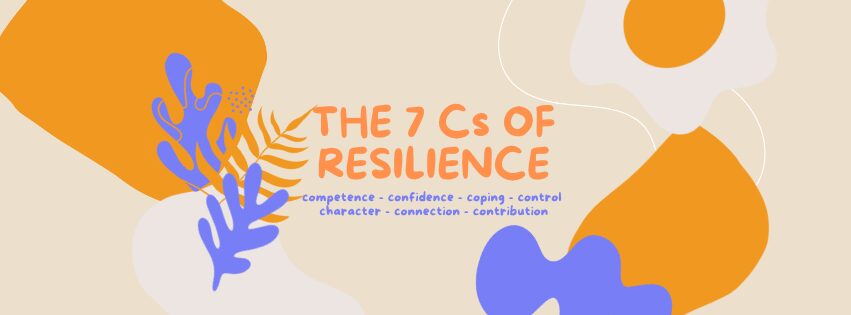
Many of our clients at Cascade Counseling and Wellness are already familiar with the 7 Cs of Resilience, a tool we use in different ways throughout our clinic. But resilience isn’t just something we talk about in therapy. It’s something we all use, build, and practice throughout our lives.
Life doesn’t always go as planned. We experience unexpected changes, disappointments, stressful situations, and challenges that can sometimes feel overwhelming. While we can’t always control what happens to us, we can build skills that help us navigate those experiences and move forward.
So, what exactly is resilience, and how can we strengthen it? Let’s take a look at the seven building blocks that make up the 7 Cs of Resilience.
What Is Resilience?
The American Psychological Association defines resilience as the process of successfully adapting to difficult or challenging life experiences through flexibility and adjustment.
Put more simply, resilience is our ability to work through hard things, adapt when life gets complicated, and find ways to keep moving forward.
An important part of resilience is recognizing that many of the challenges we face aren’t our fault. We don’t always get to choose our circumstances, but we can work toward having more control over how we respond to them.
And here’s the good news: resilience isn’t something you’re either born with or without. It’s something you can build over time. By working on the following seven areas, we can strengthen our ability to handle life’s ups and downs.
Competence
Competence is about knowing what you’re capable of and developing the skills to handle different situations. It’s the confidence that comes from knowing how to do something because you’ve practiced and learned along the way.
The best way to build competence is through experience. Sometimes that means trying something new, making mistakes, and trying again until it starts to feel more natural.
For kids, this might look like practicing tying their shoes every morning until they can do it on their own. For adults, it could mean taking on a new responsibility at work, learning a new skill, or stepping outside your comfort zone.
The more opportunities we give ourselves to learn and practice, the more capable we become when new challenges come our way.
Confidence
Confidence often grows right alongside competence. As we learn new skills and realize what we’re capable of, we naturally begin to believe in ourselves a little more.
But confidence doesn’t always come easily, and it doesn’t have to mean feeling sure of yourself all the time. Sometimes it’s simply believing that you can figure things out, even when you don’t have all the answers.
Encouragement from others can make a big difference, too. When people believe in us, it can help us start believing in ourselves.
Some simple ways to build confidence include practicing positive self-talk, making a list of your strengths, recognizing how far you’ve come, and celebrating the little victories along the way. Remember, you don’t have to accomplish something huge to be proud of yourself!
Coping
Life comes with stress, frustration, disappointment, and plenty of uncomfortable feelings. Coping is about finding healthy ways to work through those experiences without letting them completely take over.
We all cope differently, and there isn’t one strategy that works for everyone. Sometimes coping looks like taking a walk, listening to music, talking with someone you trust, journaling, or taking a few deep breaths. Other times, it might mean taking a break, setting a boundary, or giving yourself permission to step away from a stressful situation.
The more coping tools we have available, the better equipped we are to handle different situations. What works when you’re frustrated might not be what you need when you’re feeling overwhelmed or sad.
If you’re looking for ideas, here’s a helpful resource to get you started: 101 Coping Skills.
Control
Control is about recognizing what we can influence, even when so much of life feels outside our control.
Let’s be honest: there will always be things we can’t change. We can’t control other people’s choices, unexpected circumstances, or everything that happens throughout our day. But we can often find small ways to have a say in how we respond.
For example, you might not get to choose all the tasks you have to complete, but you may be able to decide the order in which you tackle them. You might not be able to change a stressful environment entirely, but you could find ways to make your space more comfortable or take breaks when needed.
Instead of spending all your energy focusing on what you can’t control, try looking for the choices you do have. Even small decisions can help us feel more empowered and less overwhelmed when life gets difficult.
Character
Character is about understanding what matters most to you and letting those values guide your choices.
Think about the qualities you want to bring into the world. Maybe it’s kindness, honesty, compassion, responsibility, or perseverance. These values help shape who we are and how we want to show up in our relationships, our work, and our everyday lives.
When we understand our values, it becomes easier to make decisions that feel right for us, even when situations are difficult. Our values can act as a guide when we’re unsure what to do or how to respond.
Taking time to think about what matters most to you can help create a stronger sense of purpose and consistency, especially when life feels unpredictable.
Connection
We aren’t meant to navigate everything on our own. Having people we can turn to during difficult times can make a tremendous difference in how we experience and work through life’s challenges.
Connection is about building meaningful relationships with people who support us, encourage us, and remind us that we’re not alone. Sometimes that means having someone to talk to when things are hard. Other times, it’s simply knowing there’s someone who will show up when we need them.
Take a moment to think about the people in your life. Who do you feel comfortable reaching out to? Who makes you feel supported, understood, or accepted?
If you’re feeling disconnected or wishing you had more support, remember that building relationships takes time. Start small. Reach out to a friend, spend time with someone you enjoy, join a group, or look for opportunities to connect with others in your community. Meaningful connections often grow through small, intentional moments.
Contribution
The final building block of resilience is contribution, which is all about finding ways to make a positive difference in the lives of others and in your community.
Contribution doesn’t have to mean doing something big or taking on another responsibility. It can be as simple as helping a neighbor, volunteering, participating in a community event, supporting a friend, or finding meaning in the work you do.
Think about the things you’re good at, the activities you enjoy, and the causes that matter to you. Are there ways you can use those strengths and interests to give back?
Contributing to something beyond ourselves can create a sense of purpose, belonging, and connection. It can also help us see the bigger picture when we’re going through challenging times.
Building Resilience, One Step at a Time
Resilience isn’t about being strong all the time, never struggling, or handling everything on your own. It’s about recognizing that difficult things happen, giving yourself permission to work through them, and building the tools and support you need along the way.
Take some time to think about the 7 Cs. Which areas feel like strengths for you? Which ones might need a little more attention? You don’t have to work on all seven at once. Even small steps toward strengthening one area can make a difference.
Consider using these areas as journal prompts, talking about them with someone you trust, or bringing them into your therapy sessions as goals to explore.
Remember, resilience is something we continue to build throughout our lives. Be patient with yourself, celebrate your progress, and give yourself credit for all the ways you’ve learned to keep going. You don’t have to do it perfectly, and you don’t have to do it alone.